
Food Service Distribution
Reliable, high-frequency deliveries to restaurants and hospitality
Food service distribution depends on reliable, high-frequency deliveries to restaurants, kitchens, and hospitality locations. Distributors move a wide mix of products, including packaged foods, refrigerated items, frozen goods, and beverages, often across multiple temperature zones and delivery windows. Slip brings speed and consistency to food service distribution docks.
- 5-minute trailer turns
- Multi-temperature support
- On-time route departures
- Reliable restaurant supply
Dock delays cascade into missed delivery windows
Success depends on fast, predictable dock operations that keep routes on schedule and inventory flowing without disruption. Dock delays quickly cascade into late departures, missed delivery windows, and downstream service issues.
Slip brings speed and consistency to food service distribution docks, enabling faster trailer turns and more reliable outbound operations without changing facilities or workflows.
Restaurant supply logistics at scale
Food service distribution operates on tight timelines. Restaurants expect deliveries to arrive on schedule and in the correct sequence to support daily prep and service. Dock delays quickly cascade into late departures, missed delivery windows, and downstream service issues. Slip compresses trailer loading and unloading to minutes instead of hours, removing dock-side variability that slows outbound routes.
- On-schedule departures
- Consistent staging workflows
- Reliable route starts
Route optimization starts at the dock
Efficient delivery routes depend on clean departures. When loading runs long or varies by shift, routes leave late and drivers lose valuable delivery time. Slip stabilizes dock performance so routes are driven by transportation planning, not dock constraints. Faster trailer turns allow trucks to depart on schedule, support tighter routing, and help maximize deliveries per shift.
- Earlier route departures
- Tighter delivery windows
- Better route utilization
Multi-temperature freight handling
Food service distribution frequently involves mixed-temperature freight moving on the same route. Frozen, refrigerated, and ambient products are often staged and loaded together, increasing complexity at the dock and making time spent with trailer doors open especially costly. Slip minimizes dock dwell time by reducing load and unload cycles to a consistent, repeatable process.
- Shorter door-open times
- Temperature integrity preserved
- Mixed freight support
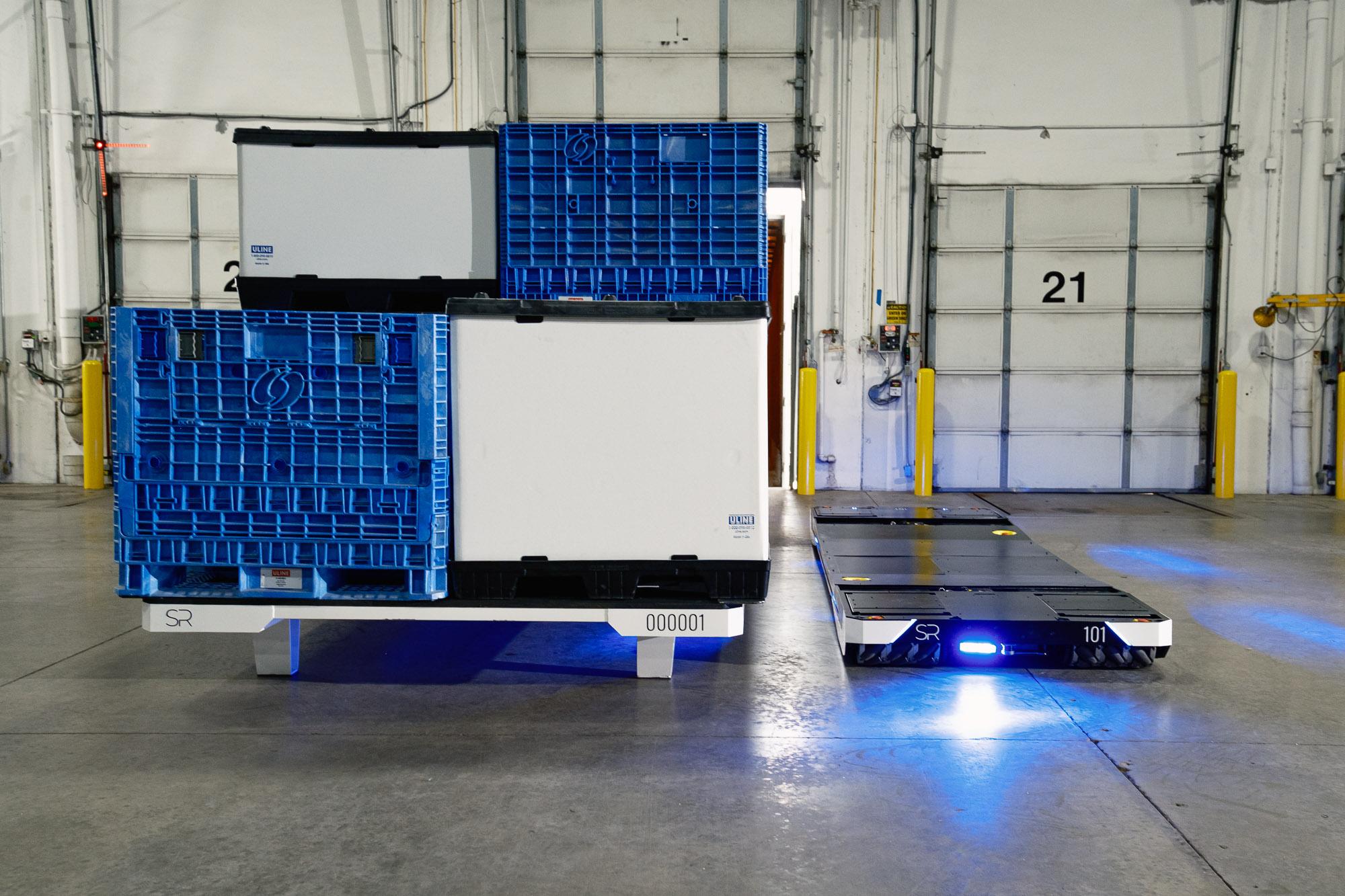
Reliable deliveries for restaurant operations
For food service distributors, reliability matters as much as speed. Slip enables consistent dock operations that reduce missed departures, improve delivery predictability, and support service-level commitments to restaurants and hospitality customers.
By removing dock variability, distributors can operate with greater confidence during peak volume periods, seasonal demand shifts, and daily outbound waves. Slip helps food service distribution networks deliver what restaurants expect: the right products, at the right time, without disruption.
Frequently asked questions
Optimize food service distribution
See how faster trailer turns and predictable dock operations support reliable restaurant supply logistics and more efficient delivery routes.